A Complete Guide to China–India Logistics
As trade between China and India continues to grow, more businesses are expanding into the Indian market. In this process, choosing a professional and reliable China-to-India freight forwarding company is critical to transportation efficiency, cost control, and overall supply chain stability.
However, the logistics market is highly fragmented. Many importers face issues such as:
Unclear pricing structures
Hidden charges
Delayed customs clearance
Poor communication
Cargo risks and unstable transit times
This guide will help you understand the fundamentals of China–India logistics and explain how to choose the right logistics partner for your business:
1. Understanding China-to-India Logistics Basics
Before selecting a freight forwarder, it is important to understand the structure of China–India logistics. This knowledge will help you better evaluate the professionalism and capabilities of logistics providers.
1.1 Main Shipping Methods
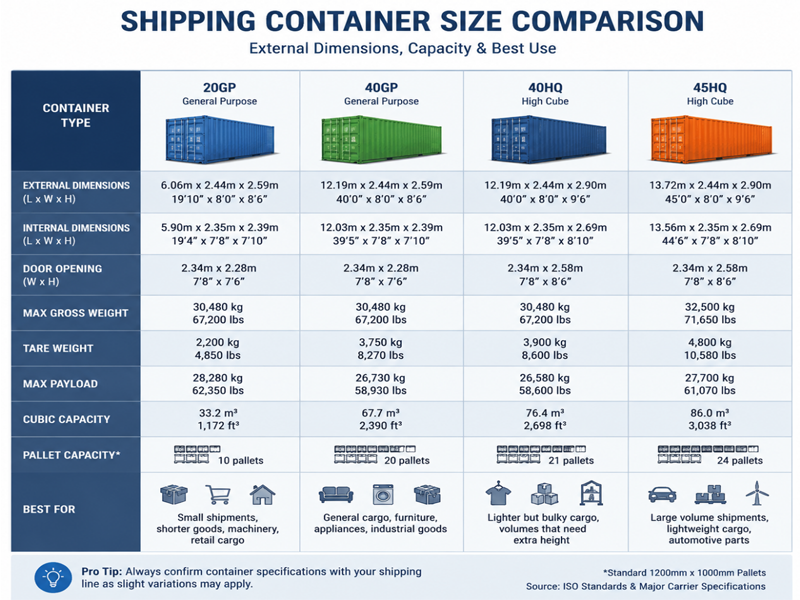
Sea Freight (China to India): Sea freight is ideal for bulk cargo or shipments with flexible delivery timelines.
FCL (Full Container Load): Suitable for businesses with stable shipment volumes, lower unit transportation cost
LCL (Less than Container Load): Ideal for small and medium-sized shipments, more flexible but slightly higher per-unit cost. Estimated transit time: 20–40 days depending on ports and customs conditions.
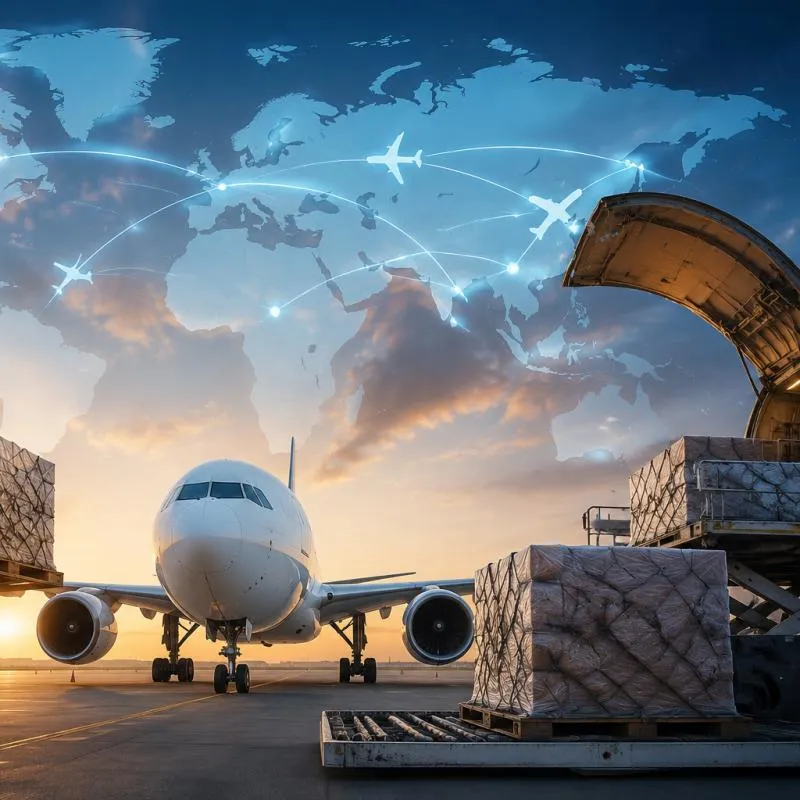
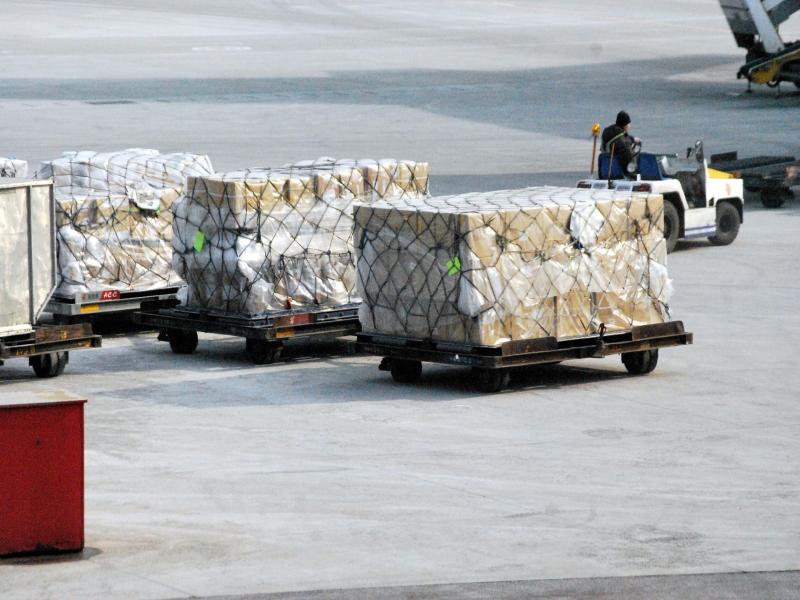
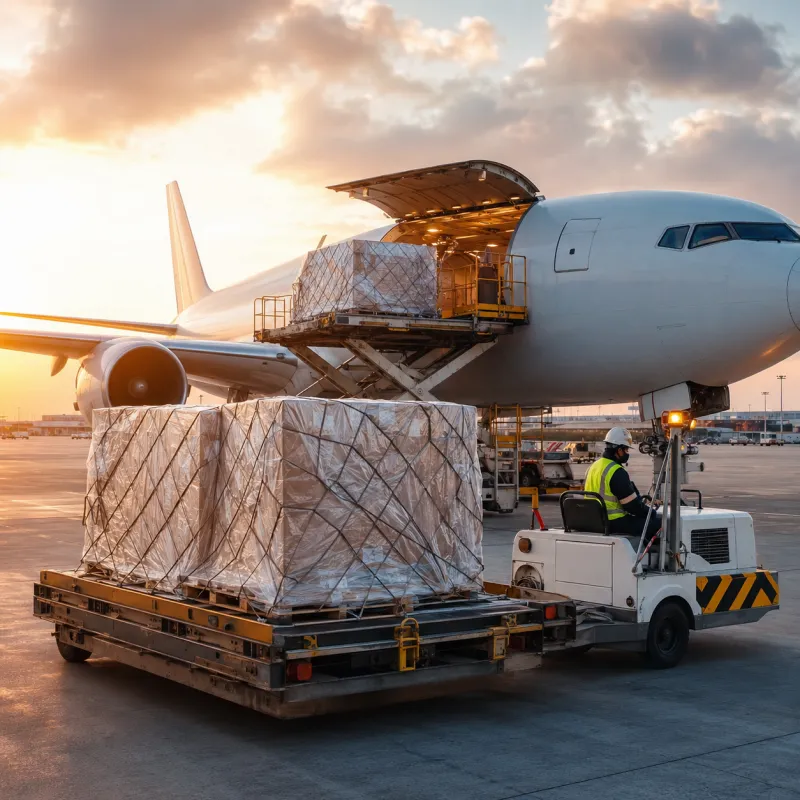
Air Freight (China to India): Air freight is suitable for urgent shipments or high-value products. Estimated transit time: 3–7 days. Advantages: Faster delivery, Higher shipment security. Suitable for electronics, fashion products, accessories, and urgent replenishment.
1.2 Major Logistics Ports and Hubs
Major China Export Ports: Shanghai Port
Ningbo-Zhoushan Port
Shenzhen Port (Yantian / Shekou)
Qingdao Port
Tianjin Port
Guangzhou Port
Major India Import Ports
Inland Logistics Hub
New Delhi (INTKD)
The busiest inland cargo hub in northern India.
West Coast Ports
Nhava Sheva (INNSA) – India’s largest container port
Mundra (INMUN) – Fast-growing private port
Mumbai Port (INBOM)
Pipavav Port (INPAV)
Goa/Mormugao Port (INMRM)
East Coast Ports
Kolkata Port (INCCU)
Chennai Port (INMAA)
Tuticorin Port (INTUT)
Different ports vary significantly in customs efficiency, port charges, and delivery performance.
1.3 Standard China-to-India Shipping Process
A complete logistics process usually includes:
Inquiry → Freight quotation → Booking confirmation → Cargo pickup → Cargo inspection → Space booking → Container loading / Air cargo handling → Export customs clearance → Bill of lading confirmation → Cargo tracking → India customs clearance → Local delivery
Among all steps, India customs clearance is usually the most complex and critical process.
2. The Core Role of a Freight Forwarder in China–India Shipping
Many businesses assume freight forwarders only handle booking and transportation. In reality, experienced logistics providers play a much broader supply chain management role.
2.1 Resource Integration & Freight Negotiation
Professional freight forwarders can:
Secure better rates from shipping lines and airlines
Guarantee cargo space during peak seasons
Optimize transportation routes
2.2 Customs Clearance & Compliance Support
India has a relatively complex import system involving:
2.3 Cost Optimization
Experienced logistics companies can help optimize:
LCL consolidation solutions
Transportation routing
Sea + delivery combinations
Air + delivery combinations
This significantly improves overall logistics efficiency.
2.4 Risk Management Capability
A professional freight forwarder should also provide proactive risk management:
Shipment Delay Management
Early risk warnings
Alternative routing solutions
Quick carrier adjustments
Real-time cargo updates
Cargo Damage & Loss Prevention
Cargo inspection before loading
Packaging reinforcement recommendations
Photo documentation
Policy Change Monitoring
Monitoring India customs policy updates
Pre-checking shipping documents
Improving customs clearance success rates
3. How to Choose a Reliable China-to-India Freight Forwarder
This is the most important section of the guide.
Step 1: Choose a Freight Forwarder Specialized in China–India Shipping
Priority should be given to companies that:
Focus specifically on China-to-India logistics
Have local India customs clearance partners or teams
Possess real operational experience in the India market
Avoid logistics providers that “do everything globally but specialize in nothing.”
Step 2: Evaluate Transportation Solution Capability
A reliable logistics company should provide:
Multiple shipping solutions (Sea Freight / Air Freight / DDP)
Customized logistics planning
Cost-efficient route recommendations
Not just a simple quotation.
Step 3: Assess Customs Clearance Expertise (Most Important)
Pay close attention to:
Whether DDP shipping services are available
Knowledge of India duties and GST regulations
Real customs clearance experience
This is one of the strongest indicators of a professional freight forwarder.
Step 4: Check Pricing Transparency
Be cautious of:
Extremely low quotations
Hidden charges added later
Unclear fee structures
A professional freight forwarder should provide:
Detailed quotations
Transparent fee breakdowns
Clear explanations of all logistics costs
Step 5: Communication & Service Responsiveness
China–India logistics involves multiple operational stages.
Reliable providers should offer:
Step 6: Review Client Cases & Industry Experience
Priority should be given to logistics companies with:
E-commerce shipping experience
Manufacturing industry logistics experience
Proven China-to-India shipping cases
4. Key Components of China-to-India International Logistics
4.1 Freight Costs
International transportation costs usually account for 40%–60% of total logistics expenses and are a major optimization area for businesses.
4.2 India Customs Clearance
Customs clearance is one of the most critical and highest-risk stages in China–India logistics.
It directly determines whether cargo can successfully enter the Indian market.
4.3 Import Duties & GST
India’s taxation system is relatively complex and has a major impact on total landed costs.
Understanding duties and GST structures is essential for cost planning.
4.4 Last-Mile Delivery
After customs clearance, cargo must be delivered through India’s domestic logistics network.
This stage is often underestimated but has a major impact on customer satisfaction and delivery efficiency.
4.5 Warehousing & Port Operations
Warehousing and port-related charges are often considered “hidden costs” but can increase rapidly if poorly managed.
These may include:
5. Conclusion: Choosing the Right Logistics Partner Is Critical
In China-to-India logistics, price is only one factor.
What truly determines long-term success is:
A reliable China-to-India freight forwarder can help your business:
✔️ Reduce total logistics costs
✔️ Improve customs clearance success rates
✔️ Enhance supply chain efficiency
✔️ Minimize shipping risks
✔️ Improve delivery stability
In today’s highly competitive global market, logistics is no longer just a cost — it has become a key business advantage.
 en
en