 en
en 

Call

Against the backdrop of continued growth in China-India trade, cross-border logistics costs have become a significant factor affecting corporate profits. Exporting from China to India involves several stages, such as sea freight, air freight, customs clearance, tariffs, and local delivery. Optimizing any of these stages can significantly reduce overall costs. This article systematically organizes how to effectively reduce transportation costs from China to India from four aspects: cost composition, optimization steps, key elements, and practical methods.
In the international logistics process from China to India, transportation costs mainly consist of the following parts:
1. Freight Cost
Sea freight: suitable for bulk cargo, lower cost but longer cycle (usually20–40 days)
Air freight: suitable for high-value or urgent goods, higher cost but faster (3–7 days)
Land transport/end delivery cost: domestic distribution cost in India, largely influenced by infrastructure
2. Customs declaration and clearance fees
China export declaration fees
India import clearance fees (including agency fees, document handling fees, etc.)
3. Duties and taxes
India customs duty
Goods and services tax (GST)
Anti-dumping or additional taxes (for some goods)
4. Storage and handling fees
Storage fees at the port of departure and destination
Handling fees (THC)
Consolidation/deconsolidation fees
5. Other additional fees
Fuel surcharge (BAF)
Peak season surcharge (PSS)
Security inspection fees, insurance fees, etc.
To systematically reduce transportation costs, it is recommended to follow these steps:
1. Clarify the characteristics and transportation needs of the goods
Type of goods: general goods or sensitive goods
Weight and volume: suitable for consolidation or full container
Time requirements: urgent or standard time
2. Choose the appropriate mode of transportation
Large volume: prioritize full container load (FCL)
Small to medium volume: consolidation (LCL) or sea freight + courier combination
Urgent orders: air freight or express air
3. Optimize supply chain structure
Consolidate shipments, reduce multiple batch transport
Choose appropriate ports (e.g., Guangzhou, Ningbo vs New Delhi, Mumbai)
4. Plan customs clearance solutions reasonably
Prepare complete documentation in advance (invoice, packing list, BIS, etc.)
Familiarize with Indian import clearance policies to avoid extra fines
5: Choose a reliable logistics partner
Experience in China-India direct line
Provide transparent pricing (avoid hidden costs)
Support one-stop service (DDP/DDU)
In practice, the following key points determine the effectiveness of cost optimization:
1. Load Efficiency
Increase container utilization (reduce gaps)
Reasonable packaging to reduce volumetric weight
2. Route and port selection
Direct route vs transshipment route (direct route is faster but may be slightly more expensive)
Significant cost differences between ports in India (e.g., New Delhi vs Mumbai)
3. Customs clearance efficiency
Delays in clearance can lead to high demurrage and storage charges
Choosing an experienced customs clearance agent is crucial
4. Contract and pricing structure
Whether DDP/DDU terms are included
Presence of hidden additional fees
Based on the actual situation of logistics from China to India, the following methods can directly help companies reduce costs:
1. LCL Consolidation
For small and medium-sized enterprise customers, consolidating multiple shipments can significantly reduce the unit transportation cost.
2. Establish long-term logistics cooperation
Establish long-term cooperation with logistics companies to strive for:
Lower freight rates
Peak season capacity guarantee
Waiver of additional fees
3. Use digital logistics systems
Implement with TMS (Transport Management System):
Real-time freight comparison
Route optimization
Cost visualization analysis
4. Plan peak season transportation in advance
Avoid peak periods such as China's National Day, Spring Festival, and India's Diwali to reduce:
Rising freight rates
Tight capacity
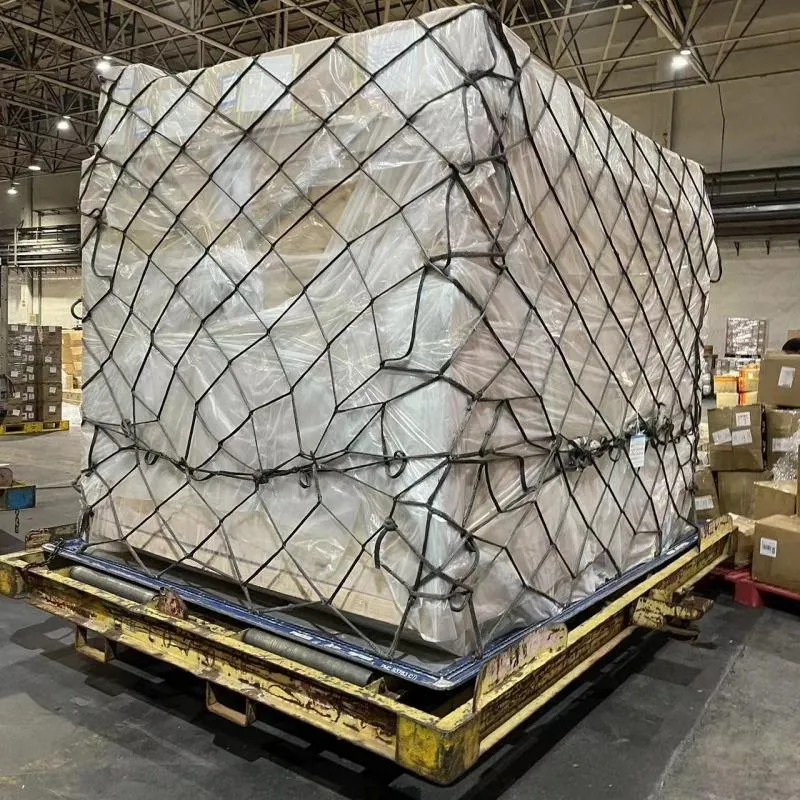
5. Optimize packaging design
Use standard pallet sizes
Reduce unnecessary filler materials
Decrease dimensional weight (DIM Weight)
6. Choose transportation terms wisely
Select based on customer needs:
DDP (door-to-door, suitable for e-commerce)
FOB (cost controllable)
7. Purchase transportation insurance
Although it adds a small cost, it can effectively reduce long-term risk costs.
In cross-border logistics from China to India, transportation costs are not determined by a single factor but are the result of the joint action of transportation methods, customs clearance efficiency, tax structure, and supply chain management. To truly achieve cost reduction and efficiency enhancement, enterprises need to start from the overall perspective and systematically optimize each link.
By rationally choosing transportation methods, improving loading efficiency, optimizing customs clearance processes, and utilizing digital tools, enterprises can not only significantly reduce logistics costs but also enhance the overall competitiveness of the supply chain. In the increasingly competitive international trade environment, those who can more efficiently control logistics costs will gain greater market advantages.