 en
en 
Call

For businesses importing products from China, air freight from China to India is one of the fastest and most reliable shipping solutions available. It enables importers to reduce inventory lead times, respond quickly to market demand, and maintain a more stable supply chain. However, selecting the right air freight solution requires a clear understanding of shipping costs, transit times, cargo handling procedures, and reliable logistics partners.
JTUO specializes in China–India Airport-to-Airport Air Freight solutions, helping freight forwarders and importers secure stable airline capacity, optimize cargo consolidation, and improve shipment efficiency. With strong airline resources and in-house warehouse handling capabilities in China, JTUO provides professional support from cargo collection and consolidation to airport delivery, ensuring smoother and more reliable air freight operations.
This guide explains everything importers need to know before arranging air cargo from China to India, including shipping procedures, cost factors, transit times, and how to choose the right air freight partner for their China–India trade needs.
Air freight from China to India follows a structured process that connects Chinese suppliers with Indian importers through international airports and professional logistics networks.
The typical process includes:
1. Cargo preparation and supplier coordination
The exporter prepares goods, commercial invoices, packing lists, and other required documents.
2. Cargo pickup and warehouse handling
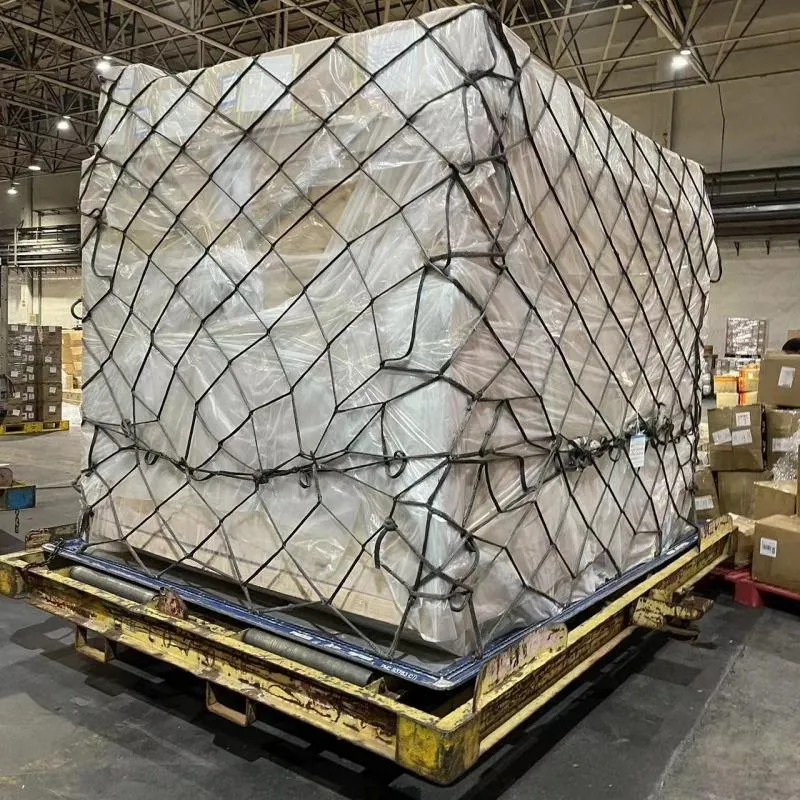
A freight forwarder collects the goods from the supplier and performs inspection, measurement, weighing, and export preparation.
3. Export customs clearance in China
The shipment is submitted for customs declaration before being transported to the airport.
4. International air transportation
Goods are shipped from major Chinese airports such as Guangzhou, Shenzhen, Shanghai, or Hong Kong to destinations in India.
5. Import customs clearance in India
After arrival, customs procedures, duties, and compliance checks are completed.
6. Last-mile delivery
The cargo is delivered to the importer’s warehouse, factory, or designated location.
Compared with traditional shipping methods, air transportation provides shorter delivery cycles and better supply chain flexibility, making it suitable for urgent orders, high-value products, and time-sensitive inventory replenishment.
The cost of air freight from China to India depends on multiple factors rather than a fixed price. Importers usually need to consider cargo weight, volume, product type, route, seasonality, and additional services.
The main factors affecting air freight rates include:
Cost Factor | Impact on Freight Price |
Chargeable weight | Airlines calculate costs based on actual weight or volumetric weight |
Product category | Special goods may require additional handling or certification |
Departure airport | Different Chinese airports have different transportation costs |
Destination city | Major Indian cities usually have more competitive rates |
Peak seasons | Holidays and high-demand periods may increase rates |
Customs and delivery services | Additional clearance and local delivery affect total costs |
For small and medium-sized importers, working with an experienced China–India logistics provider can help optimize shipping routes, consolidate shipments, and reduce unnecessary expenses.
Jituo helps customers evaluate the most suitable transportation solution based on cargo requirements, delivery expectations, and budget considerations.
The transit time for air cargo to India is generally much faster than sea transportation, making it a preferred choice for businesses that need quick replenishment.
Typical delivery time depends on the shipping route and service type:
Shipping Stage | Estimated Time |
Supplier pickup in China | 1–2 days |
Export customs clearance | 1–3 days |
International air transportation | 2–5 days |
India customs clearance | 1–5 days |
Local delivery | 1–3 days |
In many cases, the complete shipping cycle can take approximately 5–12 days, depending on customs efficiency and cargo complexity.
However, transit speed is not the only consideration. Importers should also evaluate customs handling capability, documentation accuracy, and local delivery reliability. Delays often happen not because of transportation itself, but because of incomplete documents, incorrect product classification, or customs compliance issues.
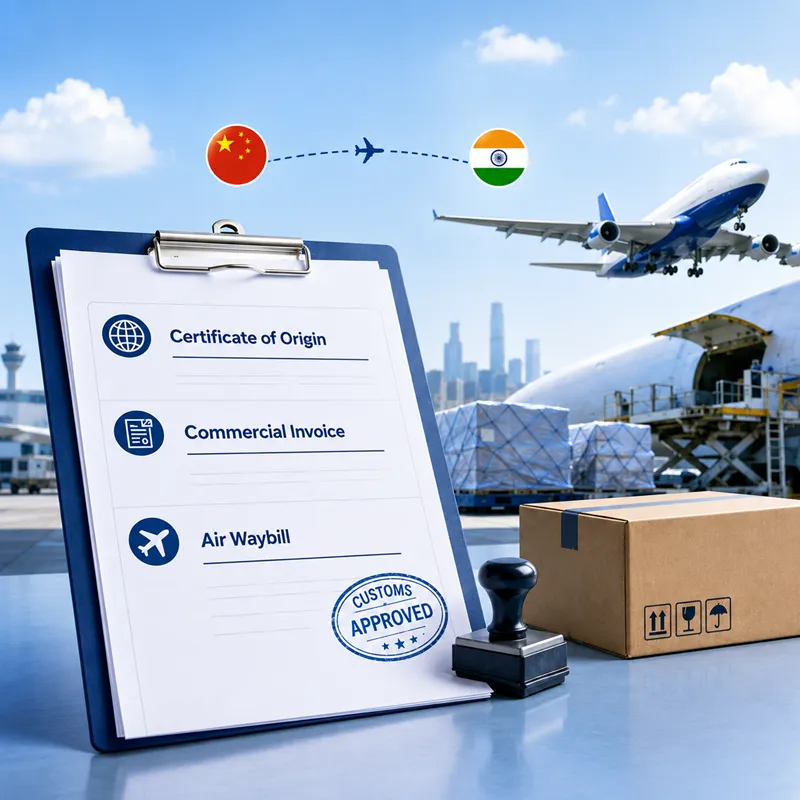
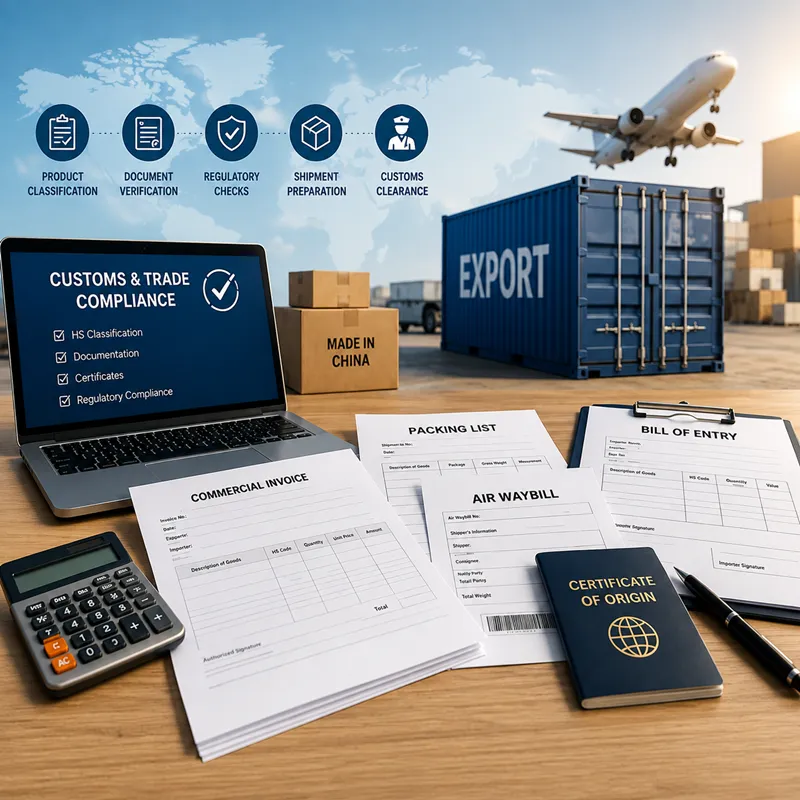
Proper documentation is essential for smooth customs clearance when shipping from China to India.
Common documents required include:
The invoice provides details about product value, seller, buyer, and transaction information.
This document explains cargo quantity, dimensions, weight, and packaging details.
The AWB is the transportation document issued by the airline or freight forwarder.
Certain products may require additional approvals, certificates, or regulatory documents before entering India.
Accurate product descriptions, HS codes, and declared values help avoid unnecessary inspection delays.
Because India’s import regulations and tariff systems can change, professional customs support is important for companies that regularly purchase goods from China.
Guangzhou Jituo focuses specifically on China–India logistics and helps businesses manage documentation, customs coordination, and delivery arrangements through an integrated service network.
Choosing between air and sea transportation depends on product characteristics, urgency, and business goals.
Comparison | Air Freight | Sea Freight |
Delivery speed | Faster | Slower |
Transportation cost | Higher | Lower |
Best for | Urgent, valuable, lightweight goods | Large-volume shipments |
Inventory flexibility | Excellent | Moderate |
Risk of delays | Lower transportation time | Longer shipping cycle |
Air freight is usually suitable for:
l Electronics and precision equipment
l Samples and prototypes
l Fashion products with short sales cycles
l High-value goods
l Urgent replacement inventory
Sea freight may be more suitable for bulk products where cost efficiency is the priority.
Many successful importers use a combined strategy, selecting air transportation for urgent goods and sea shipping for regular inventory replenishment.
China–India trade involves more than transportation. Successful delivery requires reliable customs knowledge, local resources, and professional coordination.
JTUO focuses exclusively on China–India shipping services, allowing the company to develop deeper expertise in this specific trade route.
Unlike general international freight companies covering multiple global markets, Jituo concentrates on solving the key challenges faced by China–India importers:
l Stable air cargo space allocation and locking.
l Flexible capacity management for Block Space Agreement (BSA) and general cargo.
l Peak season air freight space guarantee.
l In-house warehouse consolidation and airport delivery operations.
With reliable airline capacity resources and in-house warehouse consolidation capabilities, JTUO specializes in China–India Airport-to-Airport Air Freight services for manufacturers, wholesalers, and e-commerce businesses.
From cargo collection and consolidation to airline booking and airport delivery, JTUO helps customers secure stable air freight capacity and achieve more efficient China–India import operations.
Whether you require urgent air cargo from China to India or regular shipment support, JTUO provides customized air freight solutions tailored to your business needs.
For customized shipping solutions, businesses can contact the Jituo team through Contact Us.
Air freight from China to India provides businesses with a fast, flexible, and reliable way to move products across international markets. While air transportation costs more than sea shipping, its advantages in speed, inventory control, and supply chain responsiveness make it an important option for many importers.
The key to successful China–India air shipping is not only choosing the fastest route but also working with a logistics partner that understands customs compliance, local delivery requirements, and market-specific challenges.
By partnering with an experienced China–India logistics provider like Guangzhou Jituo International Logistics Co., Ltd., businesses can simplify international shipping, reduce risks, and build a more efficient supply chain.
No. Air freight is usually more expensive than sea freight because airlines charge higher transportation costs for faster delivery. However, for urgent shipments, high-value products, or small cargo volumes, air freight can provide better overall business value by reducing inventory waiting time.
Most air shipments from China to India take around 5–12 days, including transportation and customs processing. Actual delivery time depends on the departure city, destination, cargo type, and customs clearance efficiency.
Air cargo is commonly used for electronics, machinery parts, samples, fashion products, medical supplies, and other goods that require fast delivery or have higher value-to-weight ratios.
Importers can reduce costs by optimizing packaging, consolidating shipments, choosing suitable airports, planning shipments outside peak seasons, and working with experienced freight forwarders who can provide better routing options.
While businesses can arrange shipping independently, a professional freight forwarder can simplify customs procedures, documentation management, transportation coordination, and last-mile delivery, reducing potential delays and compliance risks.