 en
en 

Call

Choosing the right logistics partner is essential for businesses involved in China–India trade. A reliable provider does more than arrange transportation — it helps companies manage customs compliance, optimize shipping routes, improve delivery efficiency, and create a more predictable supply chain.
As China–India trade continues to expand, businesses increasingly require custom logistics solutions that match their specific cargo types, delivery goals, and market requirements. Unlike standard shipping services, customized logistics strategies combine transportation, warehousing, customs support, and local distribution to solve complex supply chain challenges.
JTUO specializes in logistics services between China and India, dedicated to helping enterprises navigate uncertainties such as the inability to consolidate shipments, unstable cargo space availability, complex customs procedures, fluctuating tariff policies, and difficulties in securing airline capacity. Leveraging its air freight forwarding capabilities and domestic aviation resources, JTUO provides flexible logistics solutions tailored to the specific business needs of each enterprise.
This guide explains what businesses should consider when selecting a logistics partner and how customized solutions can improve China–India shipping performance.
Traditional logistics models often follow fixed routes and standard processes. However, international trade requirements vary significantly between industries, products, and markets.
A manufacturer shipping industrial equipment may need different support compared with an e-commerce company shipping consumer products. Factors such as cargo volume, delivery urgency, customs requirements, and destination distribution all influence the ideal logistics strategy.
A professional logistics partner helps businesses by providing:
Different shipments may require different solutions, including:
Sea freight for cost-effective bulk transportation
Air freight for urgent deliveries
Combined transportation strategies for improved efficiency
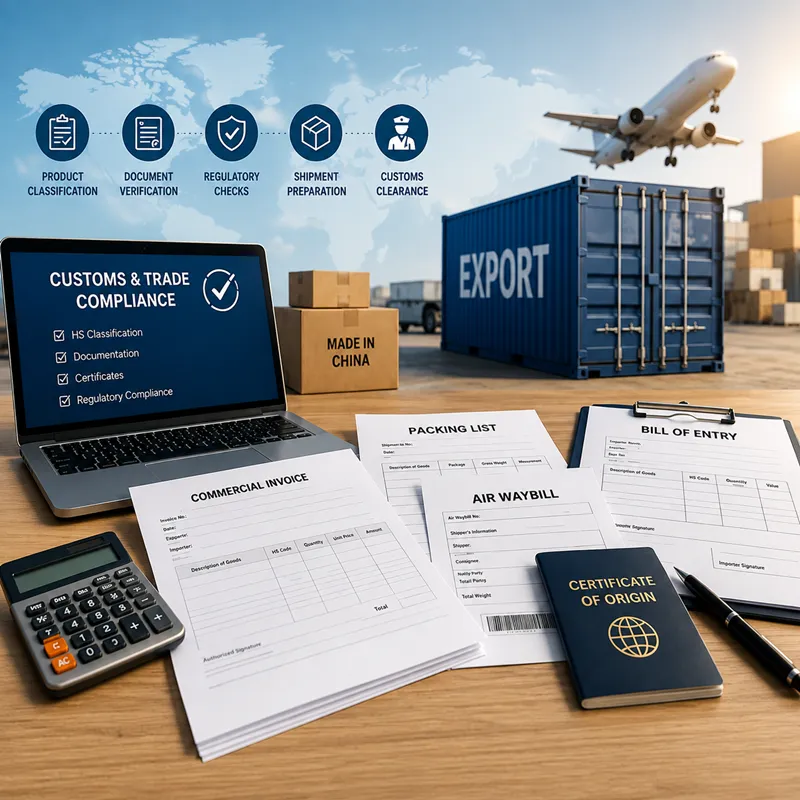
China–India trade involves detailed documentation requirements and changing regulations. Experienced logistics providers help businesses prepare accurate information and reduce clearance risks.
A logistics partner with India-side resources can provide warehousing, distribution, and last-mile delivery support, helping international companies operate more effectively in the local market.
Professional logistics services provide better shipment tracking, inventory management, and communication throughout the transportation process.
A strong logistics provider should offer more than basic freight forwarding. The ability to design solutions around customer requirements is what separates standard shipping services from professional logistics management.
Every industry has unique transportation requirements. A capable logistics partner should understand:
Product characteristics
Packaging requirements
Shipping regulations
Import procedures
Delivery expectations
China and India have complex trade environments. A logistics provider specializing in this route can better understand:
Export procedures in China
Indian customs requirements
Port operations
Local delivery networks
A complete logistics solution should connect multiple services, including:
International transportation
Customs clearance
Warehousing
Inventory management
Local distribution
This integrated approach reduces coordination difficulties and creates a smoother supply chain experience.
Custom logistics solutions are designed around specific business goals instead of applying the same process to every shipment.
For China–India businesses, customized logistics planning can improve operations in several ways.
A logistics provider can analyze:
Product type
Shipment volume
Delivery deadlines
Budget requirements
Based on these factors, businesses can choose the most suitable transportation method and route.
International shipping involves many potential challenges, including:
Customs delays
Documentation errors
Unexpected transportation issues
Last-mile delivery problems
A customized approach helps identify risks early and create alternative solutions.
The lowest shipping price is not always the most cost-effective option. Professional logistics planning considers the complete supply chain, helping businesses balance:
Transportation costs
Storage expenses
Delivery speed
Inventory requirements
As companies expand into India, their logistics requirements often change. Flexible logistics solutions allow businesses to scale operations without building complex infrastructure themselves.
Selecting the right logistics partner requires careful evaluation. Businesses should consider several important factors before making a decision.
A logistics company with specialized China–India experience can better manage regional challenges compared with a general international freight provider.
A reliable partner should support the complete shipping process, including:
Supplier coordination
Cargo pickup
International transportation
Customs handling
Warehousing
Final delivery
Businesses should look for providers that can adjust services based on changing requirements rather than offering only fixed packages.
International logistics requires timely updates and quick problem-solving. Clear communication helps prevent delays and improves supply chain control.
How does JTUO provide customized logistics solutions for China-India trade?
JTUO specializes in China-India logistics, focusing deeply on this specific trade route rather than offering generic, broad-scope services that lack specialized expertise.
JTUO understands that the biggest challenges in the initial leg of China-India air freight often lie not in the transport itself, but in issues such as:
Insufficient cargo space during peak seasons
Frequent airline price adjustments
Cargo being "bumped" (left behind)
Long lead times for space allocation
Lack of guaranteed or stable space
Cargo backlogs across multiple warehouses
To address these challenges, JTUO offers customized solutions tailored to specific business needs.
Customized air freight strategies include:
Allocation of ULD (unit load device) and loose cargo space
Securing fixed flight space
Priority space guarantees during peak seasons
Freight rate negotiation and booking assistance
Cargo consolidation and pooling at proprietary warehouses
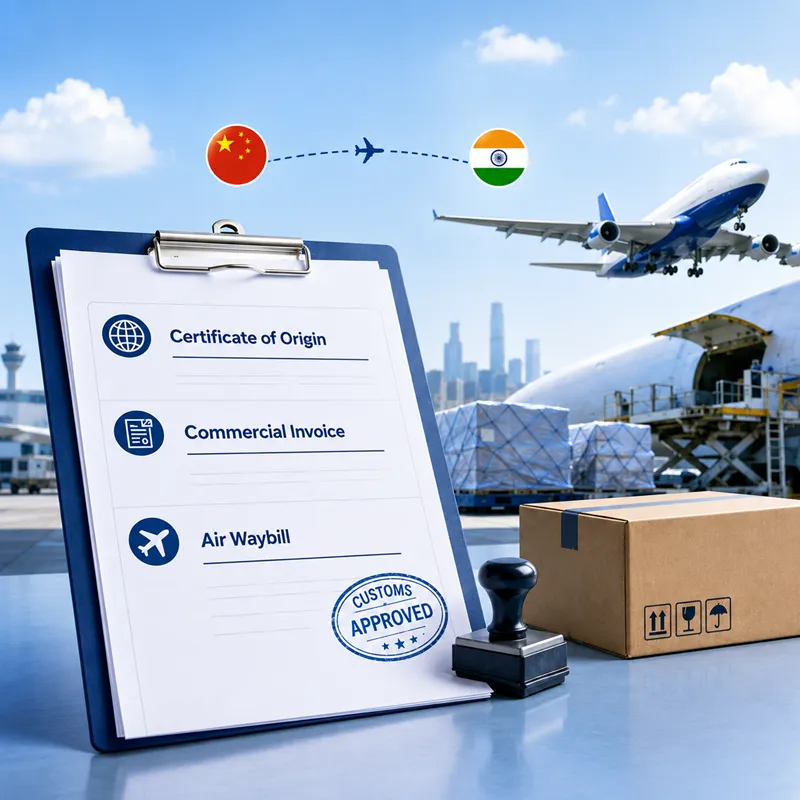
JTUO assists businesses with documentation and export formalities, thereby minimizing unnecessary delays.
Airport-to-airport supply chain coordination: JTUO integrates diverse airline resources into efficient, seamless operational workflows.
For businesses seeking professional, customized logistics support for the China-India route, a tailored plan helps build a more stable and efficient supply chain.
Businesses can discuss their specific requirements via the "Contact Us" section.
Conclusion
The choice of a logistics partner is pivotal to the success of China-India trade. An excellent service provider does more than just "transport goods"; they must be experts in customs compliance, route optimization, and warehousing consolidation, while delivering sustainable solutions that drive long-term business growth.
In an increasingly complex supply chain landscape, customized logistics solutions allow businesses to transcend the limitations of standard shipping models and develop transport strategies that align with their unique operational needs.
By partnering with an experienced China-India logistics specialist like JTUO, businesses can enhance transport reliability, mitigate operational risks, and create a more predictable international supply chain.
Standard logistics usually follows fixed transportation processes, while custom logistics solutions are designed according to a company’s specific requirements, including cargo type, delivery timeline, budget, and market needs.
A China–India logistics specialist understands regional customs procedures, transportation routes, and local delivery challenges, helping businesses reduce risks and improve shipping efficiency.
Customized logistics and transportation services may encompass aspects such as transport planning, freight forwarding, customs clearance, warehousing, and inventory management.
Not necessarily. While customized services may involve additional planning, they can help reduce unnecessary costs by optimizing routes, improving efficiency, and preventing costly delays.
Yes. Small and medium-sized businesses can benefit from customized logistics by accessing professional supply chain resources without investing in their own transportation and warehouse infrastructure.
Businesses should evaluate a provider’s China–India experience, service range, customs expertise, communication ability, and capability to provide flexible logistics solutions based on business needs.