 en
en 


Call

With the Mid-Autumn Festival and National Day holidays approaching, China's export market will also usher in a period of peak shipments.
For suppliers, traders, and Indian importers who need to ship from China to India, what they really need to pay attention to during the peak season is often not just air freight prices and flights.
There is another issue that is easily overlooked:
After your goods leave the factory, who receives, inspects, collects, organizes, and ultimately delivers them to the airport?
During peak air freight season, warehousing is not simply a "storage site".
For a freight forwarder that is truly involved in air freight operations in China, its own warehouse is more like a crucial operational node connecting suppliers, cargo, and flights.
One of the biggest characteristics of the peak season is the concentration of cargo volume, the concentration of supplier delivery time, and the increase in demand for air freight.
Especially for Indian importers, a shipment may not come from a single supplier.
For example:
Supplier A: Electronic products
Supplier B: Mobile phone accessories
Supplier C: Garment Accessories
Supplier D: Hardware Products
These goods may all eventually need to be shipped to the same Indian customer.
Without a unified warehouse in China, goods from different suppliers could be scattered across different locations.
At this point, the client needs to coordinate:
Supplier → Different warehouses → Goods confirmation → Consolidation → Grouping → Palletizing → Airport
Each additional step in the process means an additional communication and handover.
Having your own warehouse allows you to centralize and manage goods from multiple suppliers at a single operational node.
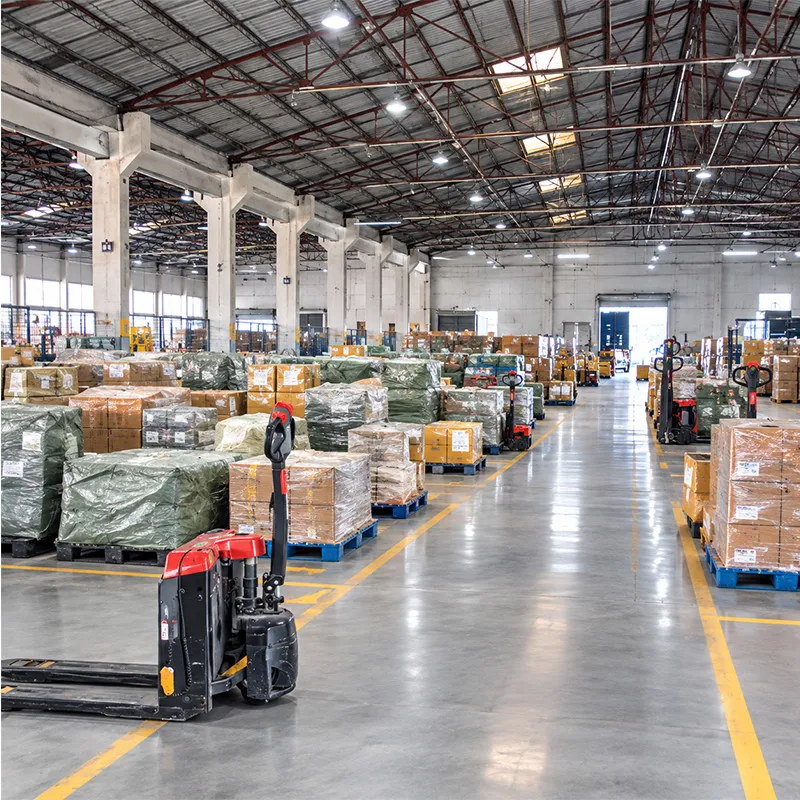
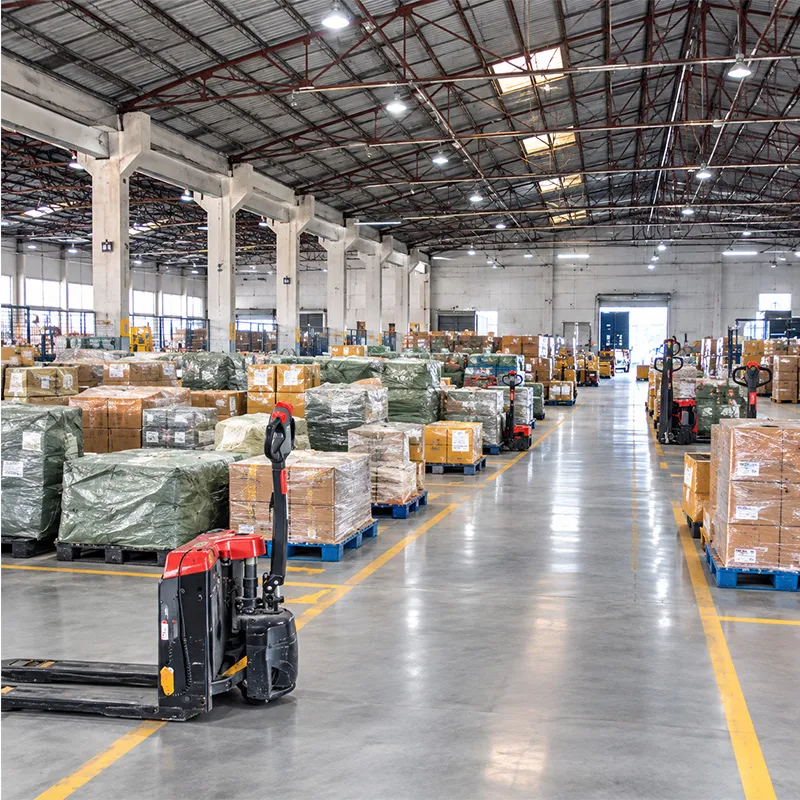
JTUO currently operates a warehouse in Guangzhou with an area of approximately 2,000 square meters , which can support operations such as consolidation of goods from multiple suppliers, sorting of goods, weighing, consolidation, palletizing, and preparation for shipment.
When people think of a warehouse, their first thought might be:
"It's just putting the goods there."
However, for international air freight, the real value of a warehouse goes far beyond simply storing goods.
Especially China-India Airport-to-Airport Air Freight .
a centralized handling center for goods from multiple suppliers .
For example:
Indian customer places order → Multiple suppliers in China produce → Suppliers deliver separately → JTUO warehouse receives goods → Verification → Sorting → Consolidation → Packaging → Palletizing → Delivery to airport → Flight departure
In this way, Indian customers or their freight forwarders do not need to coordinate shipments from multiple Chinese suppliers separately.
All goods eventually converge at a single operational node.
This is the significance of warehousing and consolidation.
This is a very real need for Indian importers and traders.
If the same shipment comes from multiple Chinese suppliers, the goods can be delivered to the JTUO warehouse separately in advance.
Warehouse operations are conducted uniformly:
Receiving → Verification → Sorting → Consolidation → Merging
Reduce the complexity for customers in coordinating multiple suppliers and warehouses simultaneously.
JTUO's warehouses support multi-supplier consolidation as well as the sorting, centralized stacking, and palletizing of general air freight.
Air freight costs are not solely determined by the weight provided by the supplier.
In practice, after the goods enter the warehouse, their weight and dimensions can be checked again.
JTUO's publicly disclosed operating procedures include verifying the actual weight and dimensions of the goods; for air freight billing, it is also necessary to pay attention to the relationship between actual weight and volumetric weight.
This is very important for suppliers.
because:
Data provided by the factory ≠ final air freight operation data
Discovering discrepancies in weight, size, and quantity in advance can reduce communication problems in subsequent booking, billing, and shipping processes.
During peak season, warehouses not only serve as "receiving points" but also undertake preparations for goods before shipment.
For example:
Different suppliers' goods classification
Item count verification
Shipping Mark verification
Weight and dimensions confirmed
Goods stacking
Group buying
slap the board
Wrapping reinforcement
Shipping preparation
JTUO's current warehousing operations system covers receiving, inspection, sorting, consolidation, palletizing, and airport transportation arrangements.
This means that the goods are not simply "stored in the warehouse," but rather enter a planned shipment preparation process .
Having a warehouse doesn't guarantee that all problems during peak season can be solved.
What is truly valuable is:
Warehousing capacity + cargo consolidation capacity + flight/cabin space coordination capacity
The three can work together effectively.
Because the following situation may occur during peak season:
The customer booked the flight first → but the goods were not collected in time → different suppliers delivered the goods one after another → the goods information kept changing → it was only when the order deadline was approaching that it was discovered that the goods were not ready.
Conversely, if the goods enter a unified warehouse in advance:
Supplier delivers goods → Warehouse receives goods → Check goods → Centralized sorting → Prepare according to flight schedule → Transport to airport
The whole process will be easier to coordinate.
JTUO currently integrates air cargo space allocation, warehouse consolidation, and airport execution into a single operational process, which is where the real value of its own warehousing comes from.
If you are a Chinese factory or supplier, and your customers are in India, you may often encounter the following situation:
"The customer asked me to send the goods to a designated freight forwarder's warehouse."
At this point, a clearly defined and stable Chinese warehouse can actually reduce the operational difficulty for suppliers.
Suppliers do not need to participate in the subsequent complex collection process.
Just follow the requirements:
Prepare goods → Pack → Provide goods information → Deliver to designated warehouse
The warehouse then completes the subsequent receiving, verification, sorting, and shipping preparations.
This model is particularly suitable for Chinese suppliers who frequently serve Indian customers, as it facilitates consolidation of orders from multiple suppliers and repeated shipments .
For direct customers from India, the real concern is not:
"Is there a warehouse in China?"
Instead:
"Could my Chinese suppliers consolidate the goods and then ship them to India according to my shipping plan?"
If you source from China regularly, and your suppliers are located in different regions such as Guangzhou, Shenzhen, Yiwu, and Dongguan, then the consolidation capabilities in China will directly impact your procurement and logistics efficiency.
Through a unified Chinese warehouse, it is possible to:
Multiple suppliers → One warehouse → One/multiple air freight shipments → Indian airport
This will create a clearer operational chain.
JTUO's current warehousing operations also support the consolidation of goods from multiple suppliers and the integrated processing of different types of air freight.
The answer is actually quite simple:
There is a 2,000㎡ warehouse .
Instead, once your goods enter our warehouse, there is a controllable and manageable Chinese terminal operation node.
from:
Receiving goods → Check → Sorting → Collection → Group buying → Board making/reinforcement → Airport-to-Airport Air Freight
Every step is coordinated around the final shipping plan.
This is the real value that JTUO's own warehousing can bring to its customers.
Around the Mid-Autumn Festival and National Day holidays, if you have air freight plans from China to India, especially:
Multi-supplier orders
Group buying
e-commerce goods
General trade goods
Emergency Goods
Bulk shipment
Goods shipped periodically to India
It is recommended to confirm in advance:
When will the goods arrive at the warehouse?
How many suppliers are there?
What are the total weight and volume?
Which Chinese airport are you planning to ship from?
When is the expected arrival time in India?
The sooner this information is determined, the easier it will be to coordinate warehousing, cargo collection, and flight arrangements.
a range of airport-to-airport air freight services in China, including receiving goods, warehousing and consolidation, cargo sorting, air freight booking, and airport delivery .
If you have goods, feel free to deliver them directly to our warehouse.
Whether your goods come from one supplier or multiple Chinese suppliers, you can contact us in advance to confirm the receipt and shipping arrangements.
After the goods are consolidated at the JTUO warehouse, we can proceed according to your shipping plan:
Receiving goods → Verification → Consolidation → Sorting → Packaging → Palletizing → Flight Arrangement → Airport Handover
Especially during the peak shipping season around the Mid-Autumn Festival and National Day, it is easier to leave room for maneuver by finalizing the goods and shipping plans in advance, rather than waiting until the order deadline.
If you have any air freight needs from China to India airports in the near future , you can send us your supplier quantity, cargo weight/volume, origin and destination airport in India in advance , and we can assist in making arrangements based on the actual cargo volume.